Alessandro-project
""
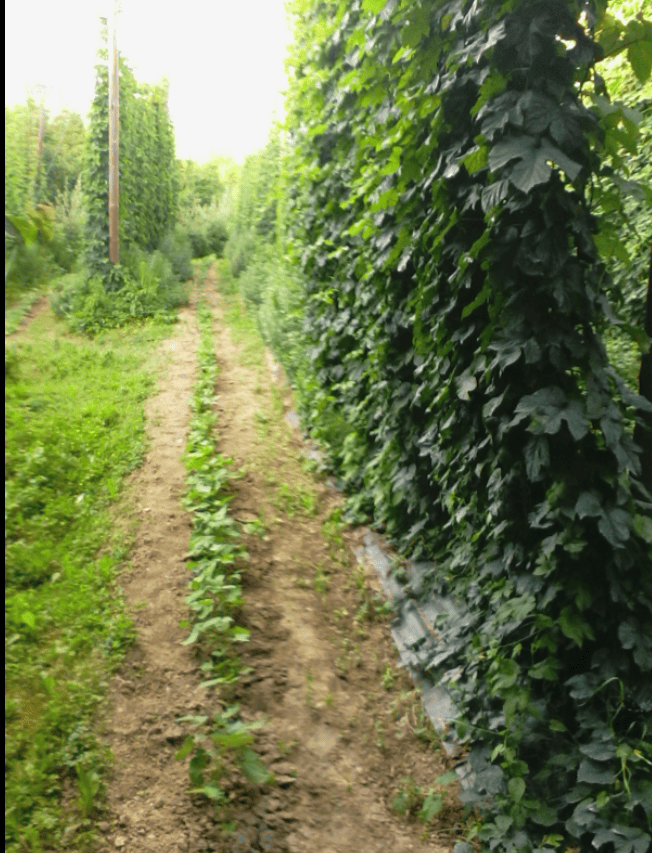
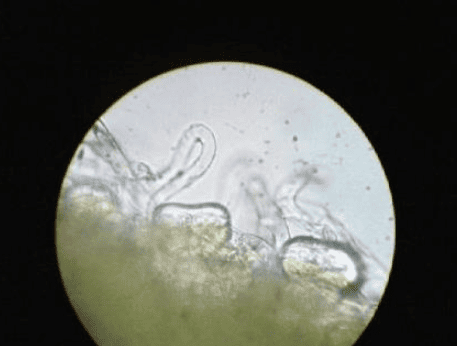
Welcome to the Alessandro-project website.(website under construction). I will illustrate some of my works, which touch on different thematic areas such as experimental cultivations of medicinal herbs, analysis of the active ingredients of some species (Artemisia Annua, hops), experimentation in the use of some plant extracts and essential oils as an alternative to pesticides and computational chemistry , which allows us to partially predict the activity of compounds at their respective site of action. A look also at the perception of taste, which is influenced by compounds analogous to the neurotransmitters contained in food.
The video below shows the application of Salvia officinalis essential oil on the bedbug hemithorax
TestBio is a web-based tool that predicts the potential bioactivity of plant extracts (phytocomplexes). By analyzing the chemical structures of the compounds within the extract, TestBio compares them against a library of known bioactive compounds. This comparison helps identify potential biological targets and suggests possible activities for the phytocomplex. The results are then visualized through interactive graphs, offering insights into the interactions between the compounds and their potential targets. Furthermore, you can use TestBio to predict the bioactivity of plants yourself! Simply follow the tutorial instructions available directly on the website, or visit
https://testbio.w3spaces.com to get started.This tool is intended for research purposes only and should not be used to provide medical advice.
Featured Research: Winch Peristalsis Hypothesis
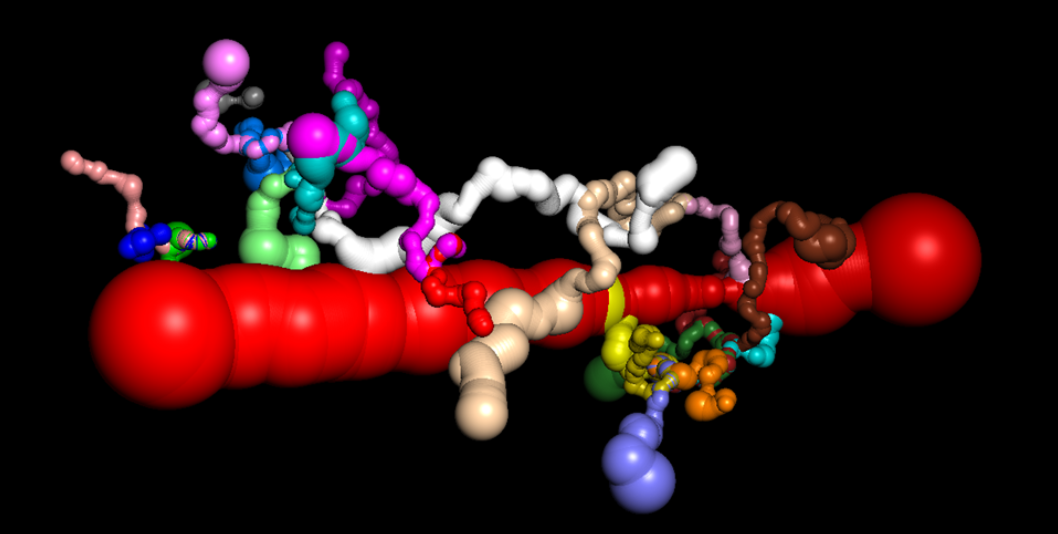
My latest research introduces a novel mechanical paradigm for the nAChR receptor gating. The Winch Peristalsis Hypothesis (WPH) describes the ion channel as a pre-tensioned molecular machine that actively manages ion de-solvation through a "Winchester-like" firing cycle.
- Energy Conversion: ATP binding at Pocket 5 triggers mechanical torque.
- Hydraulic Management: Lateral tunnels act as exhaust valves for water.
- Validated Targets: High-confidence phosphorylation at Tyr 212.
My Research
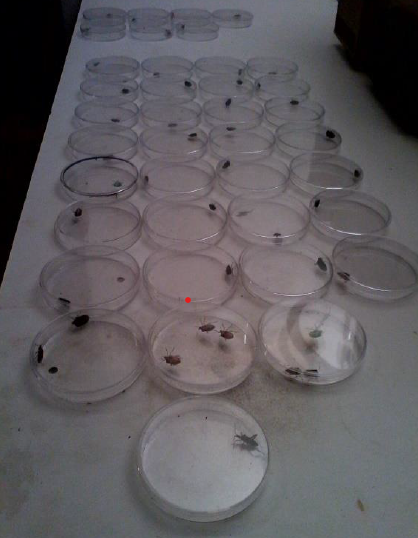
Bedbugs in Petri Dishes
Description of the bedbug research. Highlight key findings or methodology.
View Paper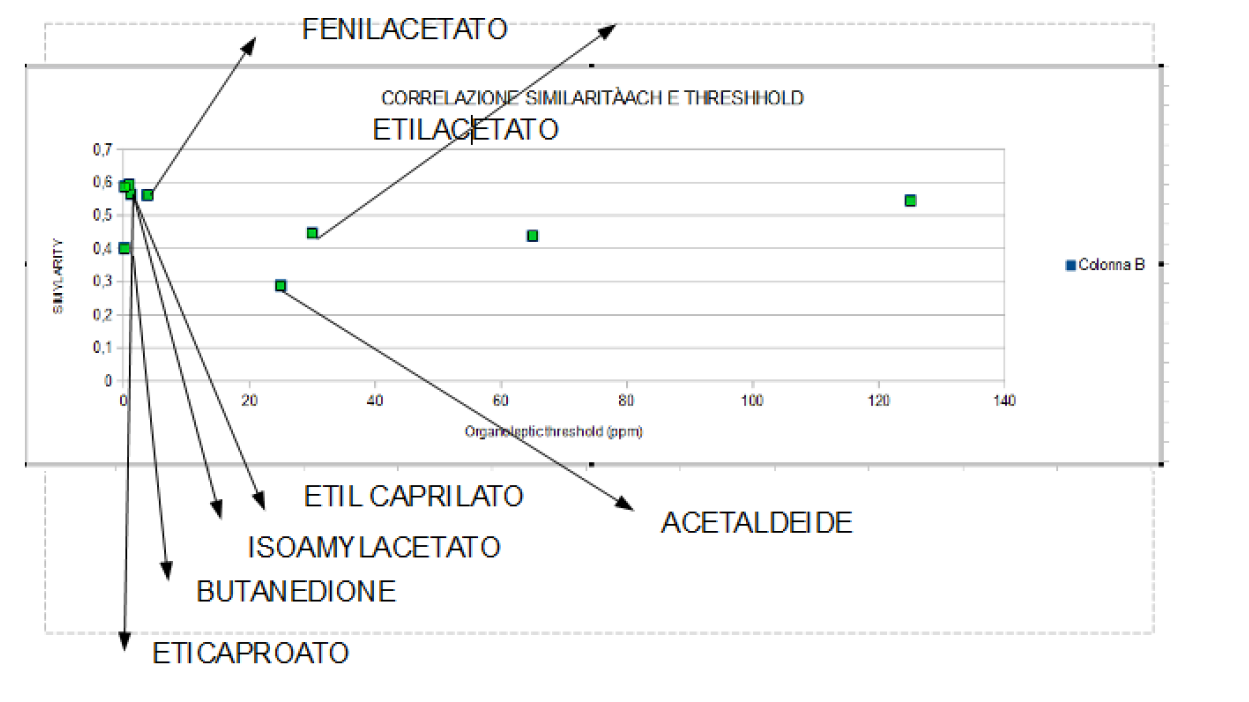
Taste and Neurotransmitters
Description of the taste research. Focus on the acetylcholine connection.
View Paper

Publications
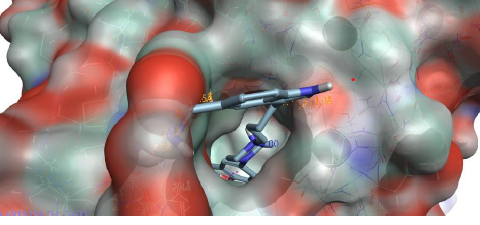
Finding Drugs for Poxviruses: Targeting the L1 Protein
This study computationally compares natural compounds and synthetic drugs, particularly antivirals, against known and novel protein targets of Poxviruses using Cresset Flare(computational software).
read article
Structural Decoding of Neuroleptic Adverse Reactions: Multitarget Affinity Analysis and Receptor Compromise via Deep Learning
This study employs AlphaFold 3 and blind docking to examine how antipsychotics induce side effects by acting as biophysical constraints on critical targets such as nAChR, AChE, hERG, and D2. Findings indicate that iatrogenic events, including akathisia and cardiotoxicity, result from nonspecific steric hindrance and synaptic rigidity.
read article JPIR read article SSRN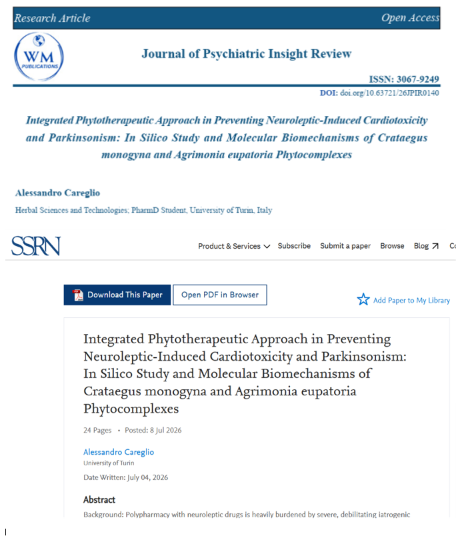
Integrated Phytotherapeutic Approach in Preventing Neuroleptic-Induced Cardiotoxicity and Parkinsonism: In Silico Study and Molecular Biomechanisms of Crataegus monogyna and Agrimonia eupatoria Phytocomplexes
This study demonstrates how Crataegus monogyna and Agrimonia eupatoria phytocomplexes can proactively prevent neuroleptic-induced cardiotoxicity and parkinsonism. Using advanced in silico and AI models, it highlights how these botanicals target hERG channels and alpha-synuclein amyloid aggregation to block cellular damage before symptoms appear.
read article JPIR read article SSRN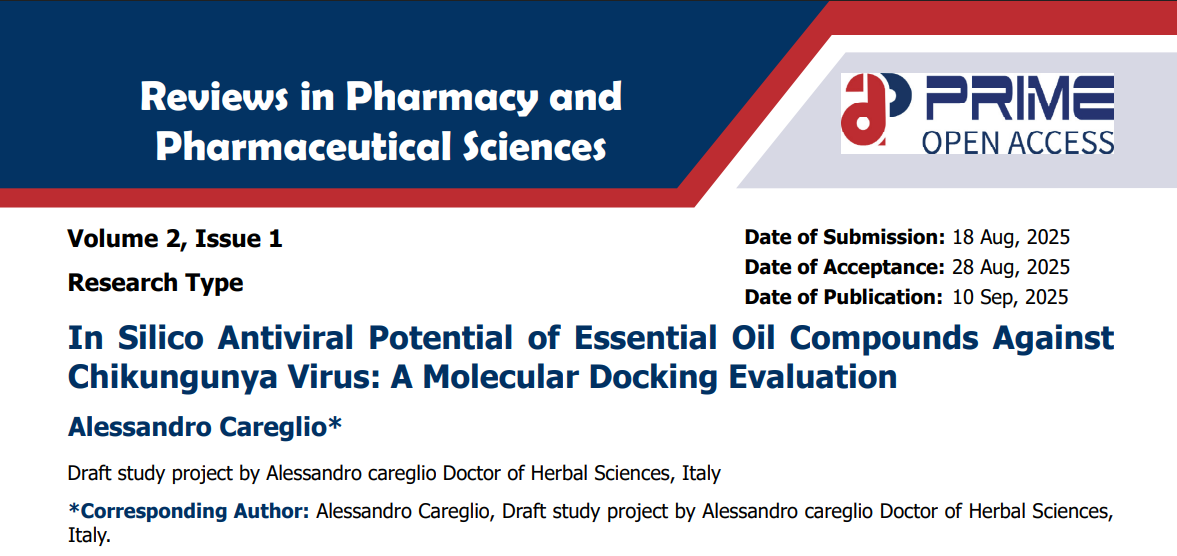
In Silico Antiviral Potential of Essential Oil Compounds Against Chikungunya Virus: A Molecular Docking Evaluation
This study investigated the dual potential of essential oil compounds as both mosquito repellents and Chikungunya virus (CHIKV) inhibitors via molecular docking. Results showed that terpenes and Ibuprofen exhibit strong binding affinities to key CHIKV proteins, suggesting their potential as novel antiviral agents.
read article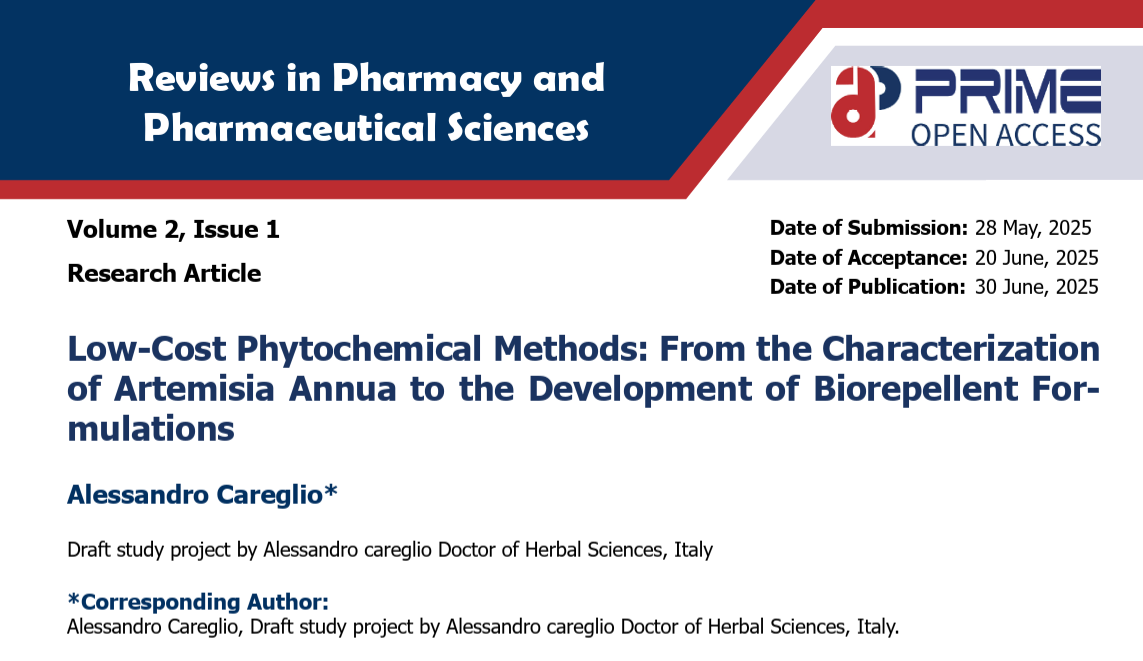
Low-Cost Phytochemical Methods: From the Characterization of Artemisia Annua to the Development of Biorepellent Formulations
This study details low-cost methods for analyzing Artemisia annua and creating a natural repellent from essential oils. It also explores the potential of consuming powdered Artemisia annua seeds for better bioavailability. This research aims to provide practical, accessible solutions in phytochemistry for resource-limited settings.
read article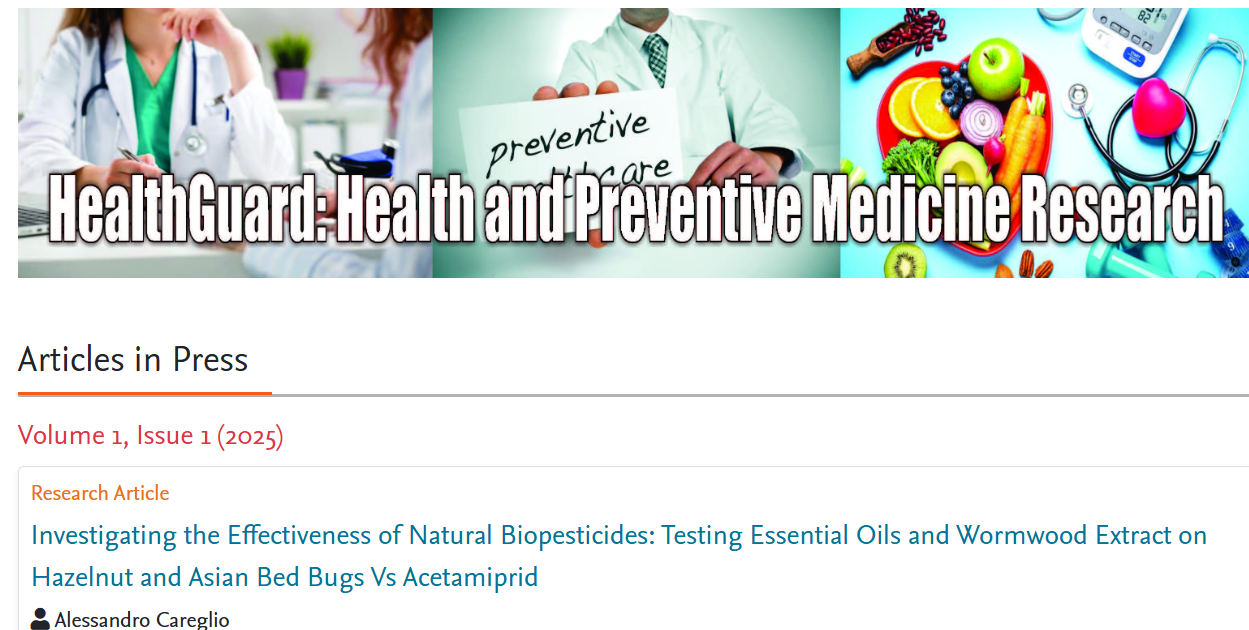
Investigating the Effectiveness of Natural Biopesticides: Testing Essential Oils and Wormwood Extract on Hazelnut and Asian Bed Bugs Vs Acetamiprid
This study explores the potential of essential oils applied directly to the bed bug’s metathorax as a natural control method.
read article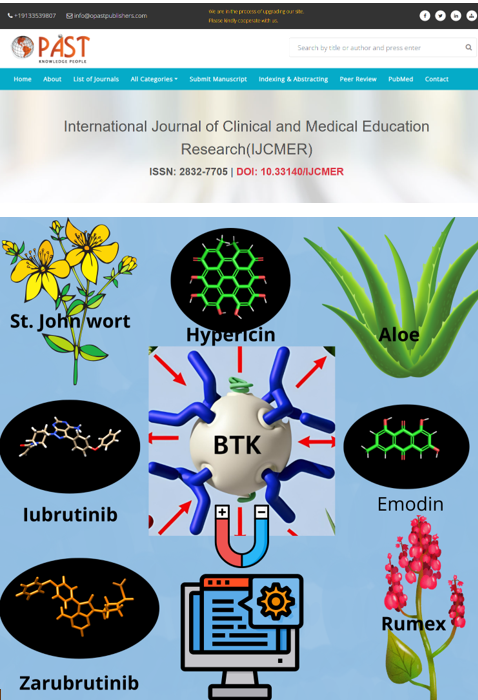
Exploring the Binding Profiles of Natural Compounds and BTK Inhibitors: A Docking and Electrostatic Study
This study investigates the interactions between natural compounds and BTK inhibitors using computational docking and electrostatic complementarity analyses. We performed in silico docking studies with Flare Cresset, comparing known BTK inhibitors with compounds from various natural sources.
read article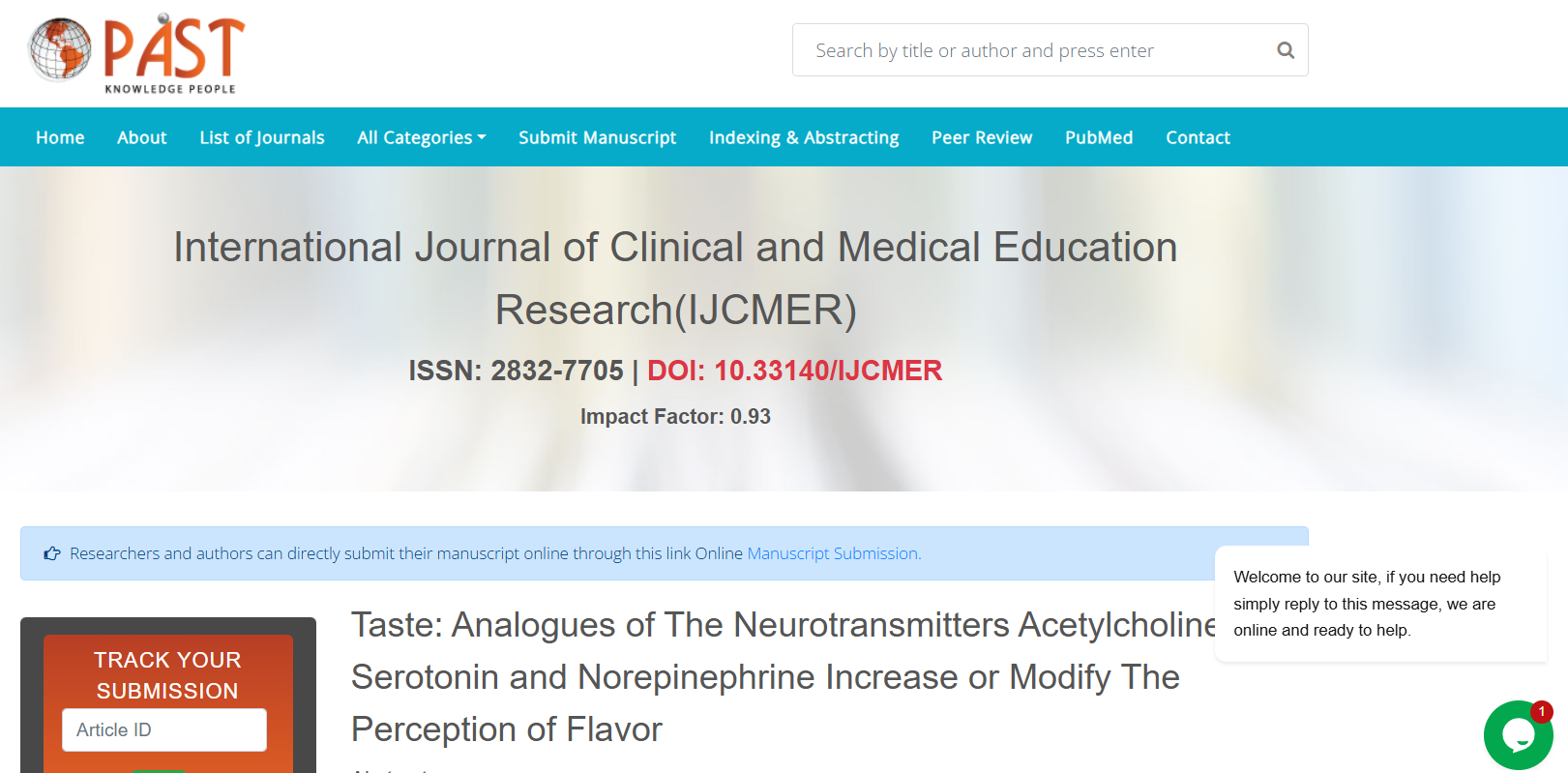
Taste: Analogues of The Neurotransmitters Acetylcholine Serotonin and Norepinephrine Increase or Modify The Perception of Flavor
This research uses computational methods to compare flavor compounds from foods (beer, cocoa) with key neurotransmitters (ACh, Ser, NE). A linear trend was observed between beer volatiles' structural similarity to acetylcholine and their olfactory thresholds, implying a role in flavor perception
read article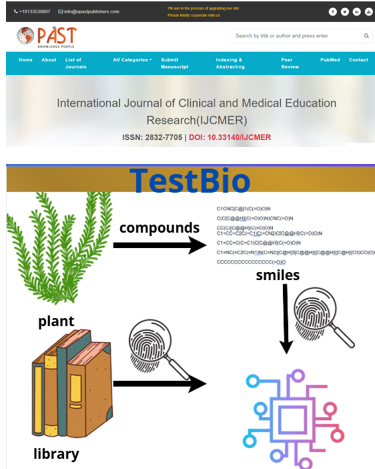
TestBio: An In Silico Tool for the Estimation of Phytocomplex Bioactivity
TestBio is a web-based tool that predicts the potential bioactivity of plant extracts (phytocomplexes). By analyzing the chemical structures of the compounds within the extract, TestBio compares them against a library of known bioactive compounds.
read article
Steam Distillation of Rosemary, Russian Tarragon, and Sage with Urea Solution Laboratory Notes
This study presents a novel method for extracting essential oils from medicinal plants, specifically rosemary (Salvia rosmarinus), Russian tarragon (Artemisia dracunculus), and sage (Salvia officinalis). The distillation process involves generating steam from a 10% urea solution
read article
Comparison of Ammonia and Water Vapor Steam Distillation for Thin Layer Chromatography of Essential Oils from Rosmarinus Officinalis, Salvia Officinalis, and Lavandula Species
This study project investigates the extraction of essential oils (E.O.) from lavender, sage, and rosemary using ammonia vapor generated by the reaction of ammonium sulfate, ammonium phosphate, and sodium hydroxide with water vapor.
read articleCONTACT
?you are curious? Drop a note!
39 0173 509315
Email: alessandrocareglio@gmail.com
vilazodone covalently bound to the tyrosine residue of the L1 protein of Pox viruses